Pay in installments of $5.30 with
 ,
,
 and
and

Shipping Estimate
USA
- USA
- CAN
- USA
- CAN
Ships within 48 hours · Estimated delivery Jul 3 - Jul 8
 Promo Codes Available:
For Your Every Summer RSVP, with Code: SUMMER15
Description
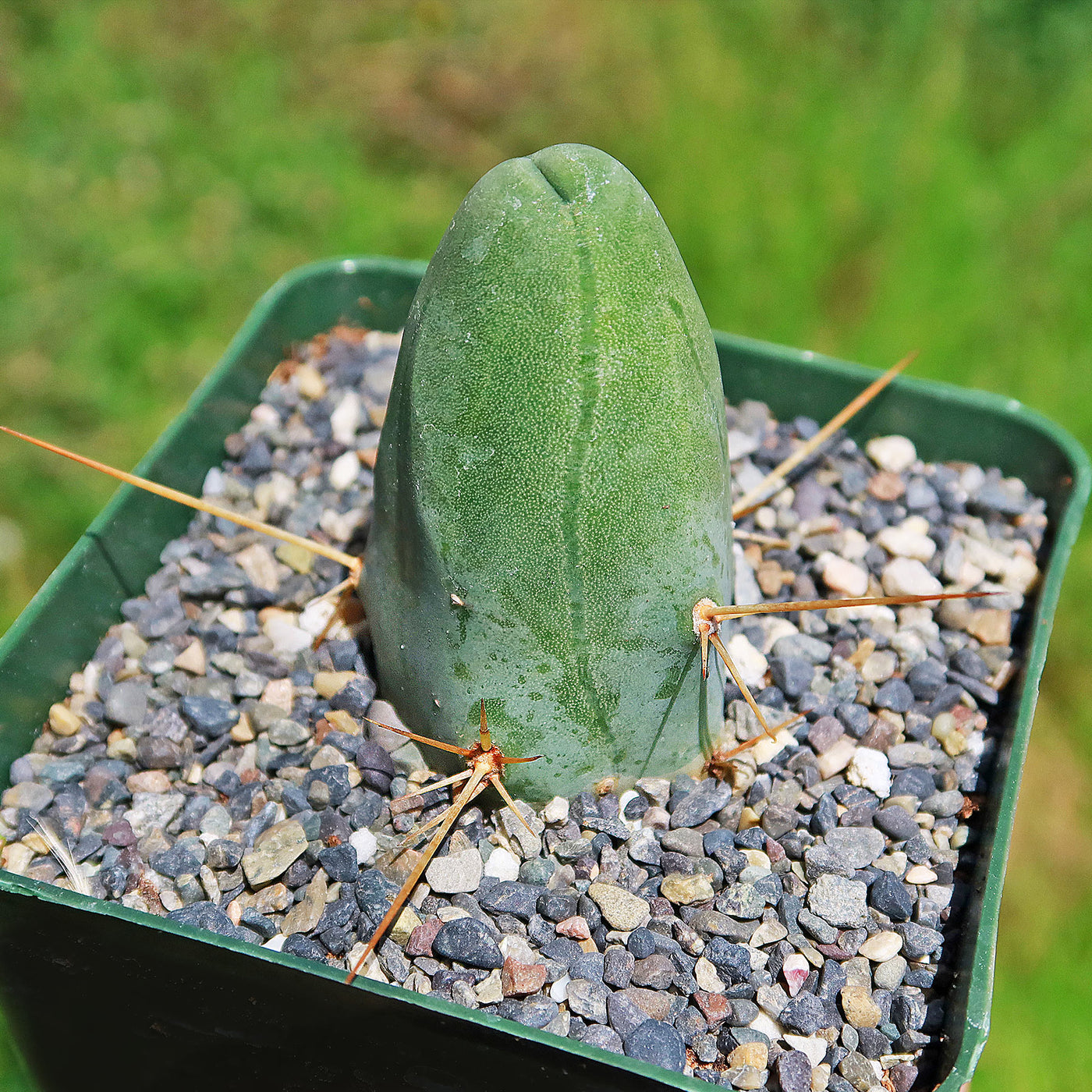
phallic succulent Shop 'Penis Cactus - Trichocereus bridgesii monstrose' Care & InfoThe Penis Cactus, known as Trichocereus bridgesii monstrose, is a strange yet charming growth pattern that is not just a novelty; it sets the plant apart from typical columnar cacti and adds a bold, sculptural element to any cactus collection. Its peculiar nickname comes from its unusually lumpy and irregular stem segments, which, true to its name, bear a striking resemblance to the male penis. The natural, non mutated form of Trichocereus bridgesii
The Penis Cactus, known as Trichocereus bridgesii monstrose, is a strange yet charming growth pattern that is not just a novelty; it sets the plant apart from typical columnar cacti and adds a bold, sculptural element to any cactus collection. Its peculiar nickname comes from its unusually lumpy and irregular stem segments, which, true to its name, bear a striking resemblance to the male penis.
The natural, non-mutated form of Trichocereus bridgesii is native to the high deserts of Bolivia, it is also known as Echinopsis lageniformis monstrose, Monstrose Bolivian Torch,” “Penis Plant,” or simply “Monstrose Cactus. The monstrose mutation causes its growth to be irregular and knobby, which results in stems that lack the straight symmetry of the wild type.
One of the most defining features of the Penis Cactus is its twisted, bumpy, and often phallic stem segments, which give each plant a one-of-a-kind appearance.
These stems are often bluish-green to gray-green and covered sparsely with small, light-colored areoles from which thin, tan to yellowish spines emerge.
Over time, the plant forms multiple vertical arms and can develop into a clustering, shrubby form that’s highly sculptural.
This cactus is slow-growing in containers but can reach a more substantial size when planted in the ground in warm climates.
A mature Trichocereus bridgesii monstrose can reach up to 5 feet tall in containers and up to 6 feet or more outdoors in the ground.
The plant tends to branch from the base and slowly spread, becoming more impressive with age. It maintains a fairly narrow diameter, usually no more than a few inches wide, but its unique texture and growth habit give it a bold visual presence. Due to its slow growth, it also stays compact enough to make an excellent container specimen for patios or indoor display.
The flowers of the Trichocereus bridgesii monstrose cactus bloom in late spring or summer and are large, white, and fragrant. The blooms are trumpet-shaped, often opening at night and lasting until the next morning. However, flowering is rare in monstrose forms, and most growers keep the plant primarily for its sculptural and comedic appeal rather than its blossoms.
When and How to Water Your Penis Cactus
Penis Cactus is extremely drought-tolerant and thrives with infrequent watering. Thanks to its thick, water-retaining stems, this cactus is well-adapted to arid environments and doesn’t require frequent hydration. Overwatering is a leading cause of root rot, so always ensure the soil is completely dry before watering again. The Trichocereus bridgesii monstrose requires watering once every 10–14 days during its active growing season, and only once every 3–4 weeks in its dormant season.
From April to September, during the active growing season, water the cactus thoroughly once every 10–14 days, providing approximately 1/4 to 1/2 cup, depending on pot size and environment. In warmer months, the plant uses more water for new growth, so consistent yet cautious watering is key. Ensure excess water drains out completely to prevent root damage.
From October to March, in the dormant period, reduce watering to once every 3–4 weeks, using just enough (about 1/4 cup or less) to keep the roots from shriveling. Growth slows during this cooler season, and the plant requires significantly less moisture. Keep it in a slightly cooler spot indoors with good air circulation.
Light Requirements – Where to Place Your Penis Cactus
When growing indoors, place your Penis Cactus in a south or west-facing window where it receives at least 6 hours of direct sunlight daily. Indoor growers should prioritize bright light exposure, ideally with supplemental grow lights if sunlight is limited. A sunny windowsill or sunroom is ideal for vibrant growth.
When grown outdoors, the Penis Cactus should be placed in a location that gets 6–8 hours of full sun daily, such as a patio, balcony, or garden bed. While it enjoys direct sun, acclimate the plant slowly to full outdoor light to prevent scorching. Morning sun with some afternoon shade in hotter climates helps balance light and temperature.
In both settings, the cactus prefers consistent light exposure and may etiolate (stretch) if kept in dim or indirect light for prolonged periods. Rotate the plant regularly to ensure balanced growth and avoid leaning toward the light source.
Optimal Soil & Fertilizer Needs
Use fast-draining cactus soil, and fertilize once a year in spring to support healthy growth. Penis Cactus requires excellent drainage, and commercial cactus or succulent mixes are usually ideal. For better results, amend with extra pumice or coarse sand. Instead, make or buy a well-draining potting mix, or ideally use our specialized cactus potting mix, opens in a new tab that contains 5 natural substrates and mycorrhizae to promote the development of a strong root system that helps your cactus to thrive.
Fertilize lightly during the active growing season in spring with a diluted cactus-specific or low-nitrogen NPK fertilizer. Avoid high-nitrogen blends that may promote soft, weak growth. No fertilizer is needed during the fall and winter months when the plant is dormant. Feeding during this time may disrupt its natural growth cycle and increase the risk of root issues.
Indoor Growing Trichocereus Cactus Requirements
When grown indoors, Penis Cactus thrives in warm, dry environments with temperatures ranging between 65°F and 80°F, closely mimicking its native high-desert conditions. It prefers low humidity, making it ideal for typical indoor climates where moisture levels are naturally lower.
To promote healthy, compact growth and prevent etiolation, the cactus needs a minimum of 6 hours of bright, direct light daily. A south- or west-facing window is ideal, but if natural sunlight is insufficient, especially during winter months or in low-light spaces, a full-spectrum grow light can help maintain vigor and coloration. Good airflow is also beneficial, so avoid crowding it with other plants. Whether displayed as a striking centerpiece or part of a cactus collection, this low-maintenance cactus is well-suited for bright indoor environments.
Hardiness Zone & More
In the United States, this is mostly an indoor plant, but if you live in southern Florida or Hawaii, then you can cultivate it outdoors in USDA zones 9-11.
In these warmer climates, it benefits from full sun exposure and well-draining soil, especially in areas with minimal winter rainfall.
However, this cactus is not frost-tolerant and must be protected from freezing temperatures.
In cooler regions or any zone where winters regularly dip below 40°F, it should be grown in containers so it can be brought indoors during the colder months. While indoors, it requires ample bright light and dry conditions to stay healthy and prevent root rot. With the right precautions and placement, this cactus can adapt well to both outdoor and indoor environments, depending on the climate.
Wildlife – Penis Cactus Attracts the Following Friendly Pollinators
The Penis Cactus blooms with large white flowers that emit a sweet fragrance at night to attract pollinators such as moths and bats. These friendly pollinators are drawn to the cactus’ nectar-rich blooms, helping to ensure successful reproduction for this unique desert plant.
According to ASPCA, the cactus is non-toxic to pets and humans, but its spines can pose a physical hazard if chewed or touched. It’s best to keep this plant out of reach of curious cats, dogs, and small children to avoid injury.
How to Propagate Your Penis Cactus
You can propagate your cactus through stem cuttings taken in spring or summer. Use a sterile, sharp knife to cut a healthy segment, and allow the cutting to callous over for 5–10 days in a dry, shaded spot. Once the cut end is fully dried, plant it in well-draining cactus soil and place it in bright indirect light. Water sparingly until roots establish—usually within 4–6 weeks. Avoid direct sun until the cutting shows new growth.
Key Takeaways
- The Penis Cactus gets its name from its unusual, lumpy stem segments that often resemble the shape of male genitalia, making it one of the most humorously named plants in cultivation.
- This cactus is a monstrose mutation of Trichocereus bridgesii, meaning it grows in an unpredictable, irregular pattern that makes every specimen unique and sculptural.
- It is highly drought-tolerant, thriving with minimal water and ideal for desert-themed gardens or as a low-maintenance indoor plant.
- Native to the high deserts of Bolivia, it’s adapted to survive in rocky, sun-drenched environments, which contributes to its toughness and wide growing appeal.
- While rarely flowering in cultivation, mature specimens can produce large, fragrant white blooms—usually at night—though this is more common in outdoor, established plants.
The Bottom Line
Overall, the Penis Cactus (Trichocereus bridgesii monstrose) is a bold, low-maintenance cactus prized for its unique, sculptural form and extreme drought tolerance. With proper care, bright sunlight, infrequent watering, and well-draining soil, it can thrive both indoors and outdoors in the right climate. Though it rarely blooms, its striking appearance makes it a conversation starter and an ideal choice for collectors or xeriscape enthusiasts. This cactus may look wild, but its care needs are refreshingly simple.
Shipping Notes
- Free Standard Shipping on $100+ Orders to the USA.
- Except Preorder products are shipped in 48 hours.
- Delivery to the USA:
- Standard Shipping : 3-10 business days
- If time is of the essence, please consider selecting expedited delivery for faster service.
Exchange/Return Notes
- We offer a 30-day return/exchange service after receiving.
- Final sale items are not eligible for returns or exchanges.
- To process your return/exchange, please contact us at [email protected]
- Please click here for more details>>> Return & Exchange Policy